







Cladding Types
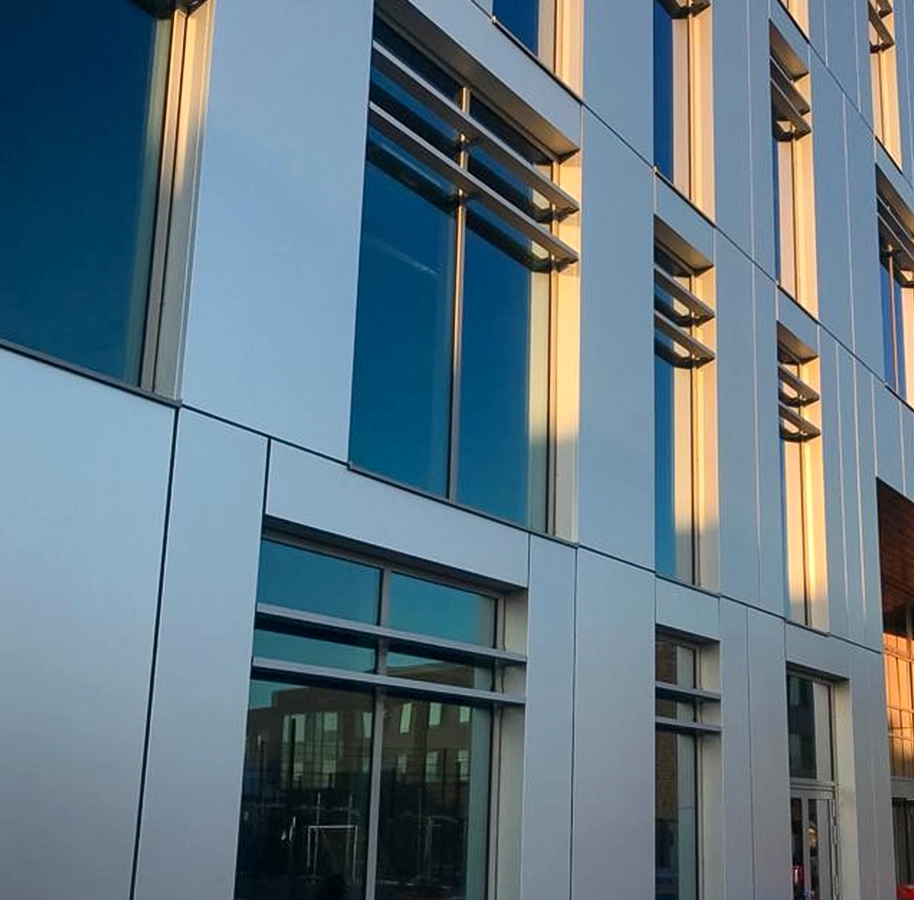
Decorative Cladding is a vital part of any building because it protects the structure from the elements while defining its character and appearance.
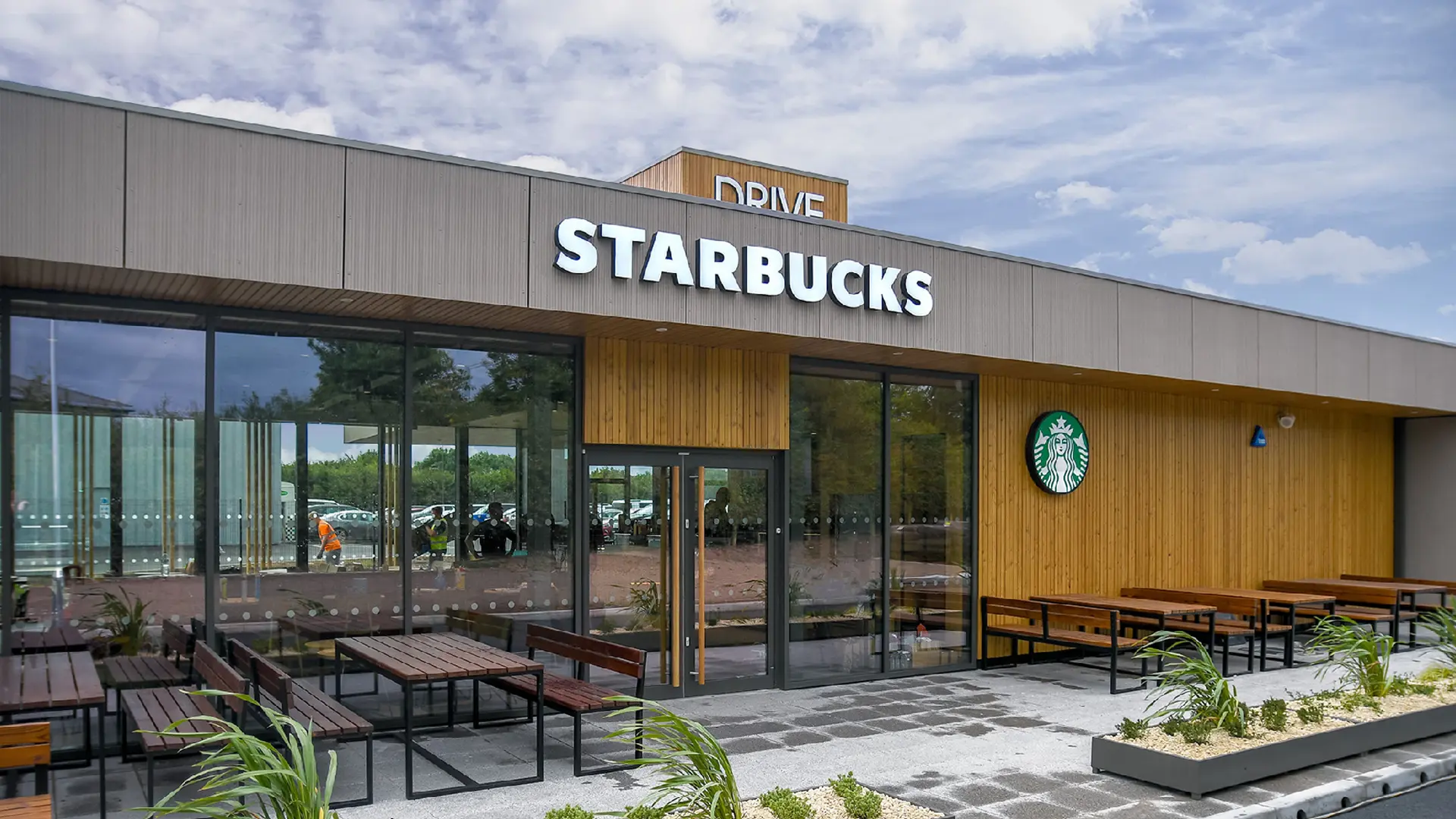
There is a wide range of cladding types available, each offering unique benefits and performance characteristics. Materials such as fibre cement, metal, basalt and reconstituted stone allow architects and builders to balance strength, longevity and design versatility to meet the specific needs of a project.
Selecting the appropriate cladding depends on factors such as exposure to weather, fire safety requirements, maintenance expectations and the desired aesthetic. High-quality cladding solutions ensure that façades remain functional, attractive and compliant for years to come.
Cladding Types
-

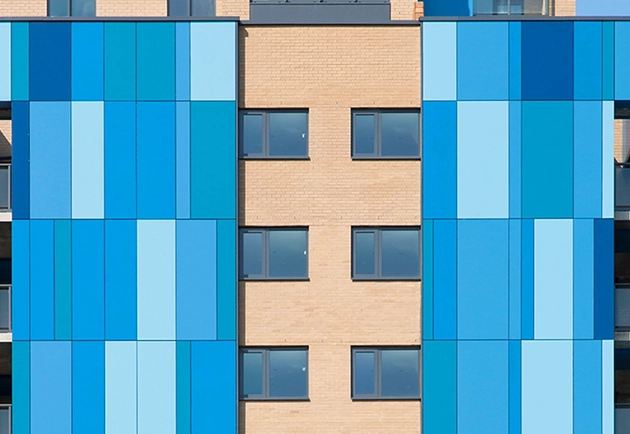
Fibre cement cladding is a composite material made from cement reinforced with cellulose fibres, creating panels that are both strong and flexible. It offers excellent resistance to rot, decay and insect damage, making it highly durable in a wide range of climates. The material can be finished in numerous textures and colours, with products from manufacturers such as EQUITONE, James Hardie, Swisspearl and many more, giving designers the freedom to achieve different architectural looks. Lightweight and low-maintenance, fibre cement panels are suitable for both modern and traditional façades, providing long-term performance without compromising on style.
-

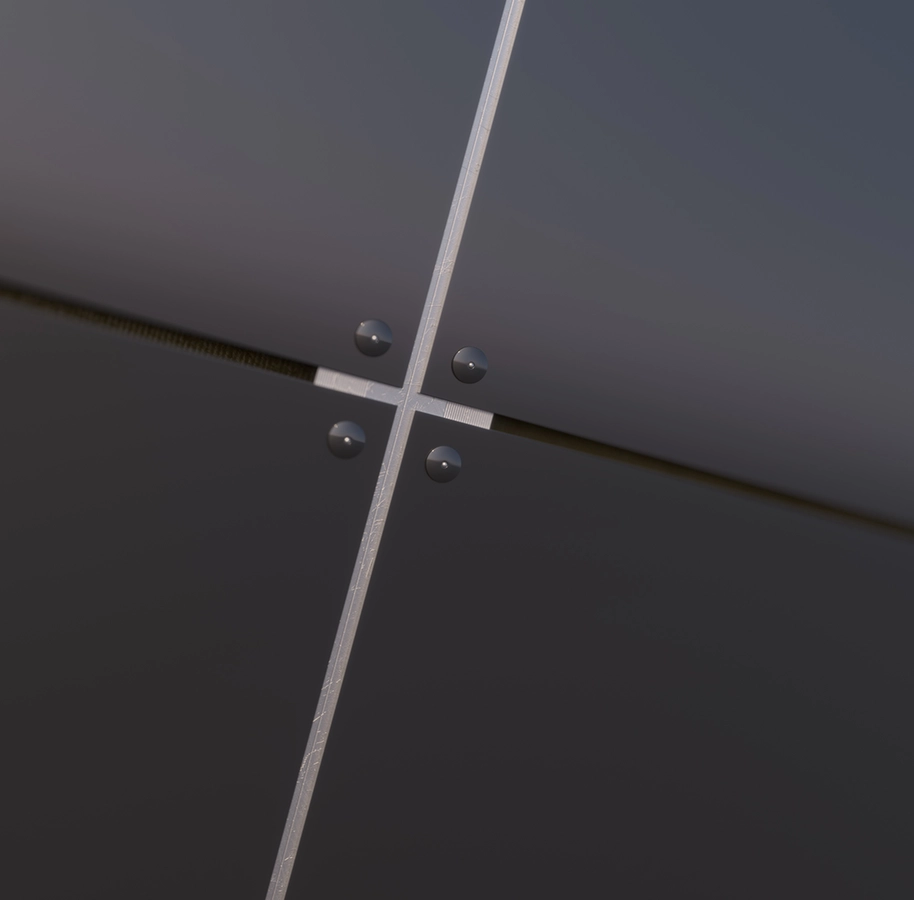
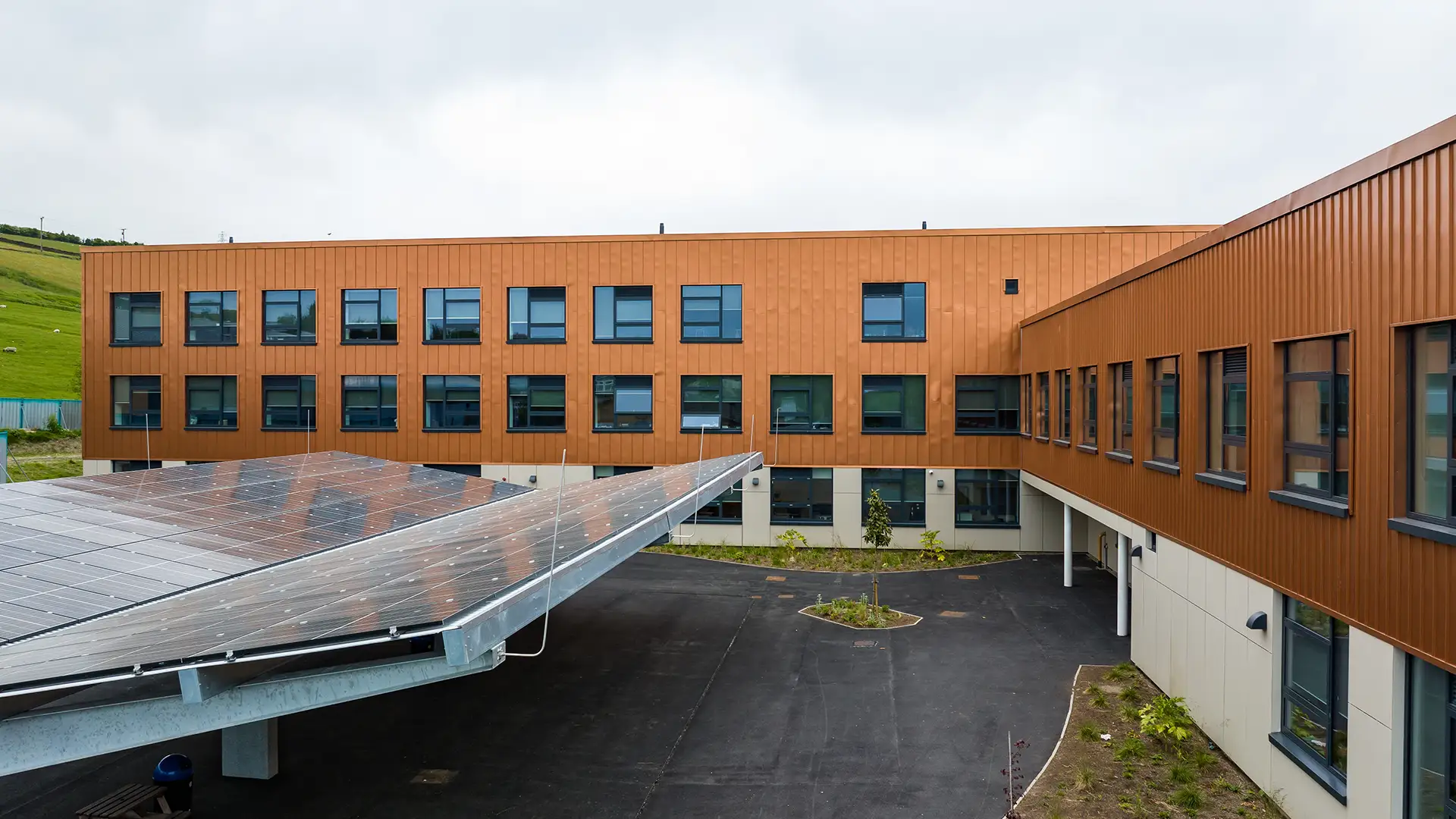
Metal cladding provides a contemporary, high-performance solution for building exteriors. Making it ideal for both industrial and commercial projects. Panels from manufacturers such as Proteus, Kingspan, Tata Steel and our Core A1 rainscreen cladding system are all available in a variety of colours, textures and profiles, and can even be perforated or shaped for creative architectural effects. Lightweight yet strong, metal cladding combines structural reliability with aesthetic flexibility, giving façades a sleek, modern appearance while ensuring longevity.
-

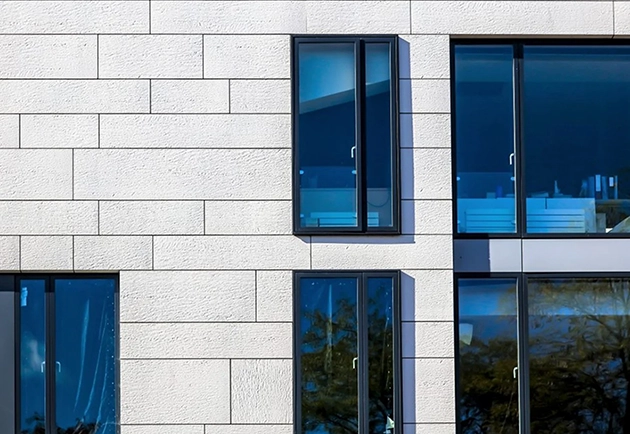
Reconstituted stone cladding is made from crushed natural stone aggregates combined with cement and other binding materials, creating panels that replicate the look of natural stone. It is strong, frost-resistant and highly durable, capable of withstanding the rigours of the external environment. Panels from manufacturers such as petrarch can be produced in a wide range of textures, finishes and colours, offering versatility in design while maintaining consistent quality. Reconstituted stone provides the premium aesthetic of natural stone with easier installation, predictable performance and cost-effective benefits, making it ideal for high-quality façades.
-

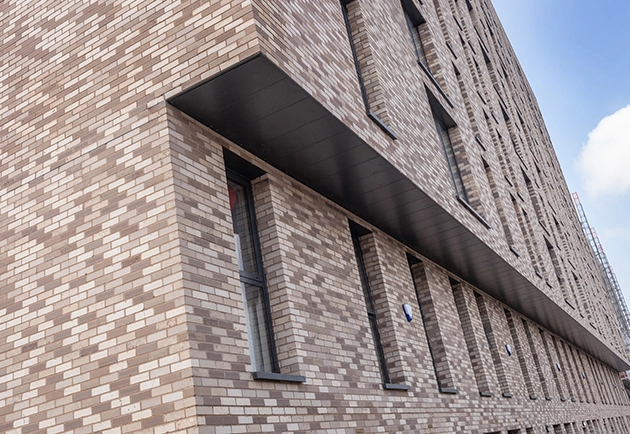
Brick cladding is a lightweight façade solution that replicates the appearance of traditional brickwork using thin brick slips fixed to a backing panel, delivering the same visual character and texture of masonry while significantly reducing structural load and installation time. It is available in a wide range of colours, tones and bond patterns, giving flexibility to match existing brickwork or achieve a more contemporary façade finish. Durable and low maintenance, it provides strong resistance to weathering and long-term performance across a variety of building types, while its modular format supports efficient installation and consistent detailing on both new build and refurbishment projects.


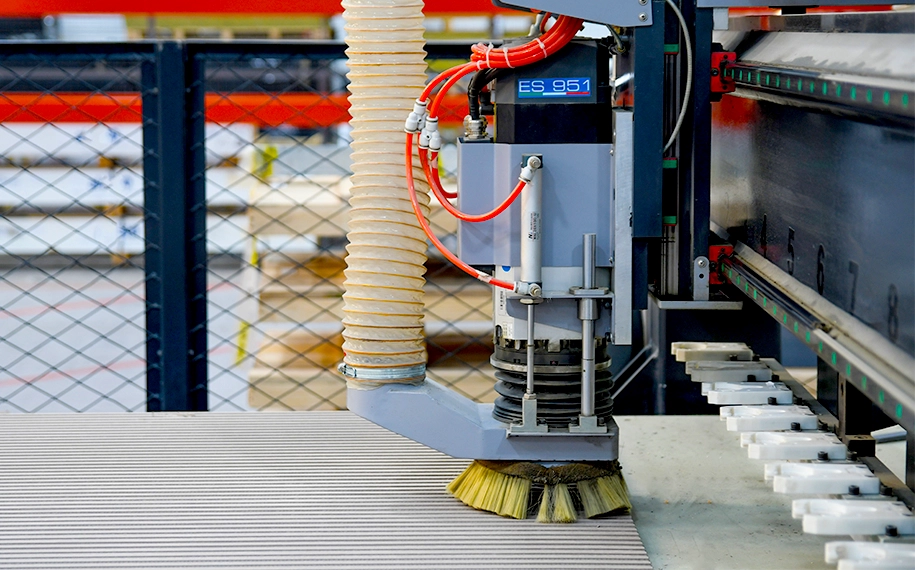
In-house fabrication of decorative cladding panels for façade projects across commercial, residential and public sector developments.
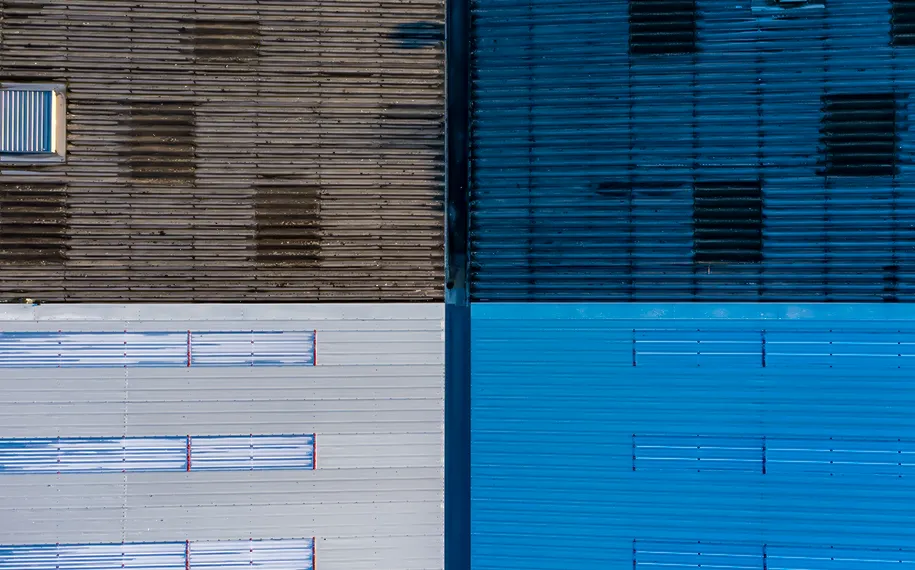
Search for Steel, Aluminium GRP profiles in Gordian Building Solutions profile finder.

Gordian Building Solutions supplies building products and provides practical support to keep projects moving on site.
Our Partners